When Miuccia Prada Made Ugly Look Chic
The year was 1996.
It might seem like a paradox that ‘ugly chic’ is how Miuccia Prada’s designs are often described. Yet her creative and progressive style as a designer changed the fashion scene when, in the mid-1990s, she mastered combining odd colors, patterns, and materials. Since then, Prada’s distinctive style has challenged and, eventually, changed the definition of taste on a six-month basis.
By the time Miuccia Prada joined her family legacy in 1978, her surname was synonymous with an established company specialized in leatherwork and objets trouvés to the bourgeoisie. The designer’s style, however, would deeply differ from her grandfather’s, who founded the house in the early 20th century. At the time, Miuccia had graduated with a Ph.D. in political science, was engaged with contemporary art and was aligned with left-wing politics.
Soon after taking over, she would create a crocodile-trimmed unisex backpack made of black nylon used for covering old steamer trunks. Miuccia Prada was only beginning.
In the late 1980s and early 1990s, when the mood was characterized by maximalism, Prada’s designs consisted of slip dresses cut on the bias in a palette dominated by black, white, and pastels. She would also take classic silhouettes and reimagine them in unexpected fabrics—as, for example, the nylon she had used in that backpack became a black dress on the runway.
Her Spring 1996 collection, named Banal Eccentricity, was the first she created that would defy classic ideals. Contrasting her own minimalism of previous collections, Miuccia Prada introduced clothes in clashing wallpaper and Formica patterns in green, ochre, brown, lilac, and white that covered models from head to toe. Chunky sandals and shoes in matching patterns completed the kitschy, geeky look. Miuccia Prada revealed what was hidden until then: her eccentricity and ability to question stereotypes through her designs.
It was a lesson in aesthetics. And it also was pure Prada.
Critics labeled the collection ‘Ugly Chic’, a fashion paradigm that would become Miuccia Prada’s signature. It was a defining moment for Miuccia as a designer and Prada as a label. Whatever her collection was—bad taste or, as Prada called it, banality—its influence echoed in the following seasons, both on and off the runway.
She was by no means the first designer to create clothes that caused a fuss. But others weren’t intentionally bad ideas. Prada, on the contrary, knew precisely what she was doing.
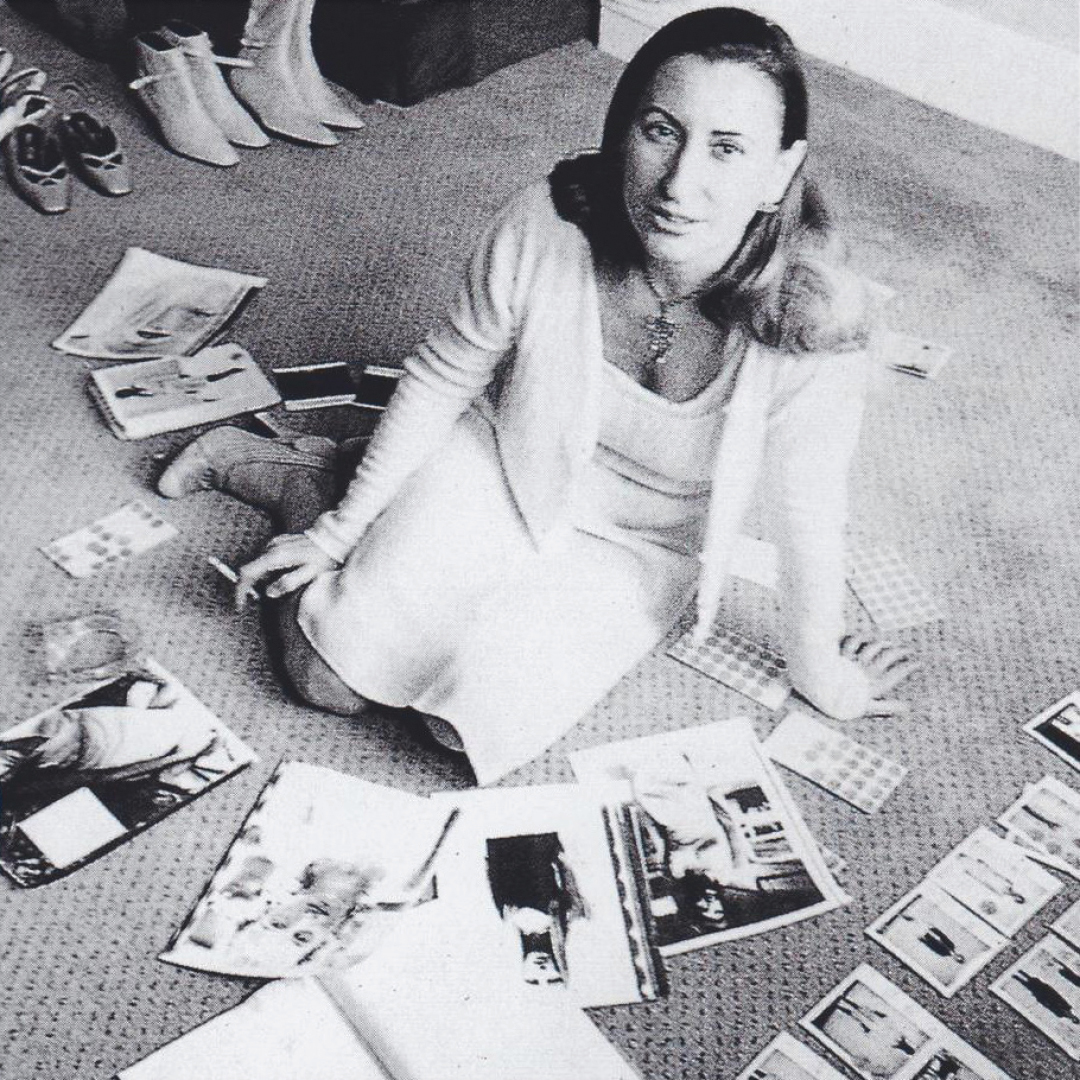
Over the years, the Italian designer has aimed to question not only the idea of good and bad taste but also the role of women in society. Prada’s collections are often social commentaries on the bourgeoisie’s aesthetics, depicting sober colors and proper clothes with a pinch of irony. As she told Vogue, “What I was really aiming for was changing from inside the system of the bourgeois.”
As Alexander Fury put it, Miuccia Prada doesn’t own a silhouette; her “signature is psychological rather than physical.” This approach to fashion awarded her the status of an intellectual designer, a label the fashion industry adopts for collections that challenge traditional trends or norms and for designers who engage in more complex thoughts through their designs.
By challenging the established ideas of taste, Miuccia Prada continuously expands what taste is. And this is what fashion does: it defines taste and delineates what is good and what is bad. What the designer has done in the past 30 years is take what would be deemed ‘out’ and make it ‘in’. In the process, she has become something of fashion’s soothsayer, predicting what men and women want to wear.
Her clothes aren’t always chic. We don’t necessarily love them, but we want and need them. To wear her clothes correctly, one must wear them tongue-in-cheek, as Prada herself does.
Prada’s shifting aesthetics have had an impact beyond the fashion industry. As one of the largest fashion houses in the world, she still inspires others today to the same extent as she did with the ‘Ugly Chic’ show. She has paved the way for a new generation of designers to follow her lead and break norms in their own ways.
And by mastering her idea of taste—good and bad—and mixing the two, Miuccia Prada has changed the way we dress.